Vigorously Lazy

with Christopher Heavener

Blog

Wednesday, June 2nd

Seeking Readers.

dan2

***UPDATE: POSITIONS FILLED. THANKS EVERYONE FOR WANTING TO HELP OUT!***

Do you want to feel the thrill of editing a lit magazine but without all the financial and logistical headaches? Do you want to know how it feels to wield the power to crush someone’s dreams or send their hearts soaring? Do you want a glimpse into the beautifully sinister machine of small press publishing? Then apply to become a reader for us!

We’re gearing up to announce the new theme for the print issue and we’re looking for folks to help us with the onslaught of stories and essays that are sure to come our way. Why would you volunteer to read the slush pile? Well…

FACT: Reading slush makes you a better writer. Lots of people make lots of mistakes in their writing. You will see these mistakes in your own writing. You will realize that it’s lame to write about drugs.

FACT: Reading slush makes you attractive to the opposite sex. The more stories you read, the more you become connected with the way the human mind works, the more you are able to read people, the more you can tell if someone likes you from across a crowded bar, the more you are able to ignore that person, the more they will pursue you,. And then you strike, my friends. Then you strike.

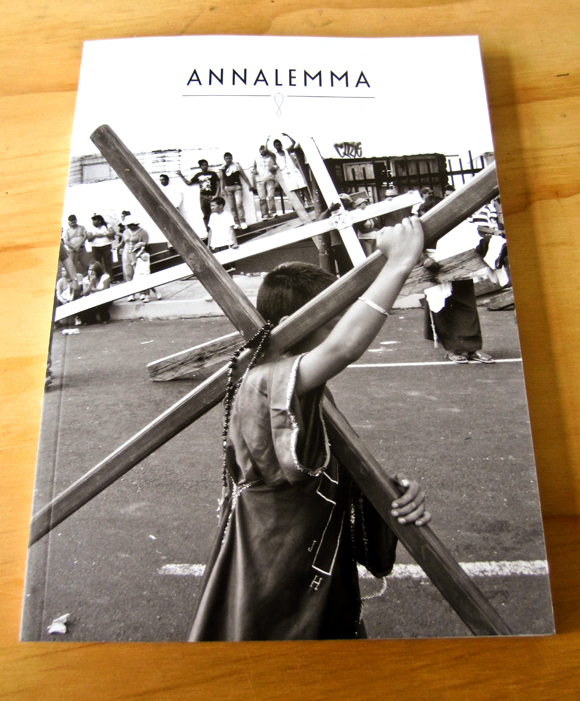
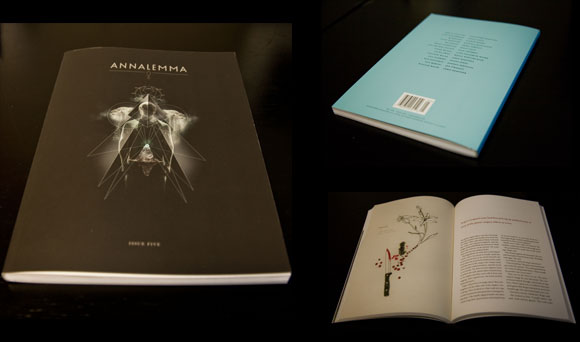
FACT: Reading slush will get you one copy of Annalemma Issue Six: Sacrifice and one back issue of your choosing.

Email chris {at} annalemma {dot} net with a brief bio, what kind of writing you like and any experience you may have reading submissions. Just a heads up, it would be helpful if you’ve read any of the stories on the website and in the print issues and/or have been published in them. We’re using submishmash now, so don’t worry about this being an organizational nightmare.

Tuesday, June 1st

Machotaildrop.

blairhorse

Books and film rarely give skateboarding the treatment it deserves. Sometimes the activity becomes inconsequential. Other times it’s treated with laughable sincerity. Corey Adam’s first feature film Machotaildrop seems to deliver the most appropriate image of skating: fun, slightly scary, and full of the potential to change your life. Adams’s short, Harvey Spannos, (which scored the funding for MTD) serves as a reserved precursor to the whimsical fever dream of his first feature. Can’t wait to see this one.

YouTube Preview Image

An interview with Adams at Fecal Face.

Monday, May 31st

Cool Cause: Page 15.

Picture 7

Page 15 is an Orlando-based nonprofit that offers free reading and writing education to Orlando public school students. It warms my heart to see my hometown investing time, money and effort to young writers. In a city that, at times, feels like it has a non-existent literary scene, I consider the mere existence of this program a triumph.

http://myspacetv.com/index.cfm?fuseaction=vids.individual&videoid=46343310
Friday, May 28th

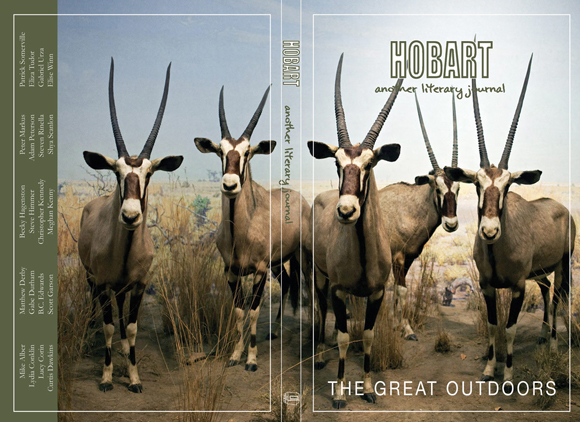
120 in 2010: Hobart #11 The Great Outdoors.

ho11-full

The new Hobart provides stark insight into the difference between publishing fiction in print and publishing it online. A hallmark of online fiction is that it’s short. It’s written and published with the mind that you’ve 50, maybe 100 words to hook a reader, after that you’d better keep a tight grip on their lapels for the other 900 words if you’re going to keep them reading to the end. There’s plenty of juicy celebrity gossip and cat videos out there to compete with, so you’d better not waste anyone’s time. This constraint can be motivating for a writer, but a lot of tasty storytelling elements can get thrown out the window when trying to whittle everything down to a palatable 1000 words.  Things like slow pacing and deep characterization.

The stories in The Great Outdoors issue of Hobart remind you why it’s rewarding to read a story in print. These stories turn down the volume to the outside world and take their time letting their horror and beauty unfold. They remind you that stories can be more enjoyable as a slow burning wick, instead of a buckshot blast.

Highlights:

4 Outdoor Apocalypses by Lucy Corin

Corin’s work in this issue kind of negates everything I just said as none of them are above 1000 words, but these four short pieces show a larger picture of a destroyed world. My favorite, Glass, moves fast: a new plant species that’s sharp like glass is taking over the world, infecting the world in its shards. Corin keeps her scope wide with this one, dropping in detail when she needs to and quickly moving on. It’s not so much cursory glance as it is showing the audience what’s important and nothing much else. I’ve lost my taste for apocalypse fiction, but Corin pulls out a beauty in the end of the world while many writers are content to wallow in despair.

The Fish by Patrick Sommerville

This one’s the prime example of how fulfilling a story can be when a writer takes their time. Ben returns to his hometown to visit his estranged mother who’s on the brink of death. He runs into Carl, a friend of his mothers who ran a successful fishing business until a Japanese executive suffered a horrible accident on one of his trips. Years later the two men are in different stages of disrepair: Ben is worried about being stuck in this town forever, and Carl is simply stuck, unable to recover and rebuild from the accident. The thing I love about this story is Sommerville never uses exposition. If there’s something profound that happened to a character, he’s going to take you back and show it to you in a scene, because it’s important and deserves more than a cursory glance or an offhanded mention.

The Lake by Becky Hagenstan

David, another broken young man, makes a trip out to visit his father, another shattered old man, who’s taken to living out in a cabin in the woods by himself after a series of defeats has caused him to withdraw from life. David goes out there on the pretenses of delivering a gun the old man kept in David’s basement. The old man claims it’s for shoo-ing away bears, but when David gets out to the cabin he soon learns it’s for a far more bizarre reason. In The Lake, Hagenstan shows how a father can disappoint a son and vice versa and that the only answer is to forgive and move on, otherwise the bitterness with consume you like a prehistoric beast creeping above the surface of the water.

Congrats to editor Aaron Burch. He’s compiled a damn fine stable of writers this time around, not surprising considering Hobart is one of the most reliable journals out there for quality stories.

Click here to buy.
Thursday, May 27th

ShoStoMo: Patrick Sommerville and Theresa Holden.

6a00d83451afaf69e2013482153493970c-800wi

The month of May, a.k.a. Short Story Month, is coming to a close with surprisingly little fanfare. What gives Dan? Last year there were ticker tape parades in the streets and children were running wild reciting Carver stories by heart. Okay, maybe not. But I a lot more lit web people were getting involved. Whatever. I’m still gonna hype this shit cause I think it’s cool.

Over at the origin point of Short Story Month, EWN, there’s been some heavy reviewing action of the new issues of stellar journals Redivider and Hobart (I’m reading #11 now and it’s awesome and I’ll be reviewing it tomorrow). #11 turned me on to Patrick Sommerville. Why did no one tell me about Patrick Sommerville?! He’s got a scorcher of a story in the new Hobart, which is talked about at length here. Some of Patrick’s work can be found online here. If you’ve never read any of his stuff you need to check it out now, but you probably have because apparently I’m the only one left who’s never heard of the guy.
And in well-well-well-look-what-we-have-here news: old friend Theresa Holden got Scary Stories published over at Knee Jerk. Highlight of the piece for me was this sentence:

The architectural construct of one man’s life – his friends, family, and reputation – would be consumed so fast he’d gag on the smoke before getting the chance to put out the flames.

Go read up on these two amazing writers right this second and let them remind you why connecting with other humans makes life worth living.

Tuesday, May 25th

120 in 2010: Twelve by Twelve (unfinished).

18972

Looking for an opinion from the hive mind: Do you finish reading a book if you know it might be bad for you?

I picked up Twelve by Twelve because I was interested in sustainable living. About halfway through it I went a little crazy and was giving serious thought to abandoning everything and going to live in a cabin in the woods. When discussing the prospect of living in the woods, even thinking it’s a viable option is a level of consideration that constitutes serious thought.

William Powers is an eco-activist who moved back to New York after mounting waves of crusades in advocacy of the Global Southern Rainforests. He was discontent with the conditions of modern urban living. He’s a young, healthy, white man living in the biggest city in the world. In short, he had everything, but felt that “everything” was propped up on a system of waste and consumerism that is dubious at best and eco-cidal at worst. So he heard about a friend of his family that lived on $11,000 a year in a 12 x 12’ shack in an undisclosed location in the North Carolina woods (12 x12’ being the dimensions the NC state government deems just small enough to not pay property taxes). This book is about his search for meaning in his life beyond what’s considered the American dream.

Going to live in a cabin in the woods is what crazy people do. But are they crazy or is the rest of the world crazy? For me, going to live in a sustainable 12 x 12 would mean saying goodbye to my girlfriend, a lot of friends I keep in contact with strictly online, my publication and a lot of other things in my life that I love deeply. I’ve since stopped reading the book and I feel like I’m back to stasis. But part of me feels like I’m maintaining willful ignorance and that I should finish the book regardless of the ramifications it may have on my brain and life.
I got thinking about this post as I went to a reading last week where one of the writers on a panel said that non-fiction terrifies him. So I ask you, internet: Do you stop reading a book if it’s detrimental to your status quo?  Is constantly questioning your own status quo a good thing? What if you’re happy? Do you question the cost of your happiness?

Friday, May 21st

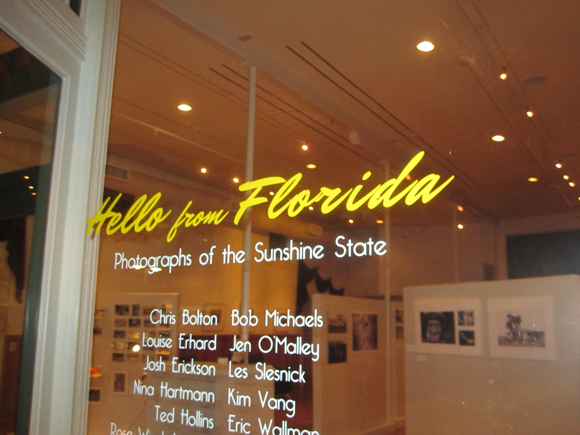
Hello from Florida.

IMG_5307

Oh, Florida, you really made me love you a lot last night.

IMG_5291

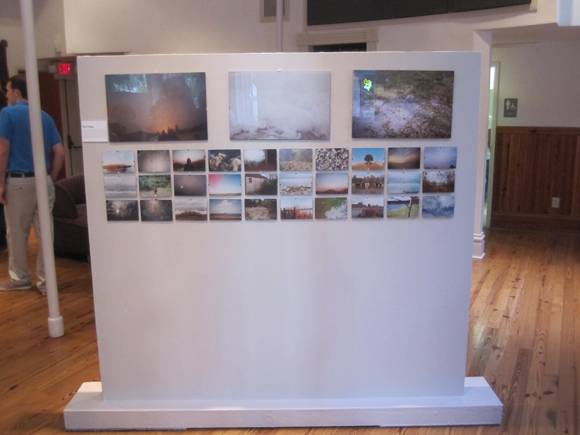
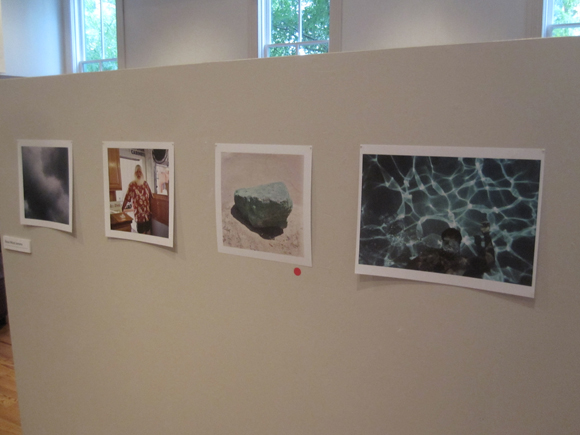
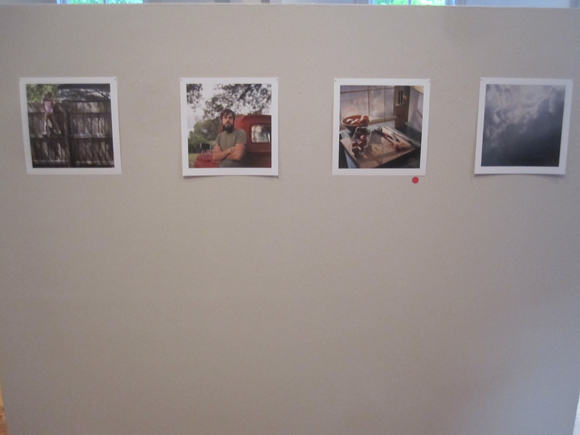
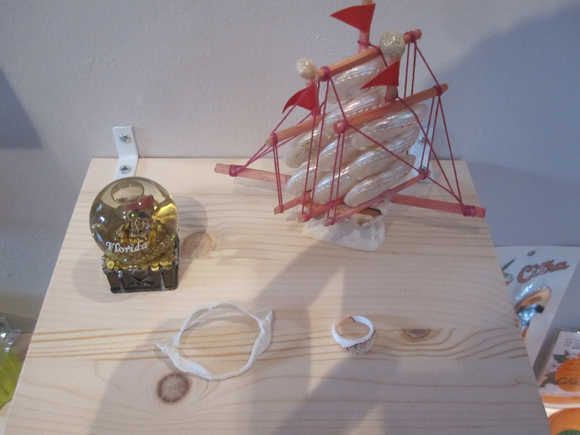
Our very own Jen O’Malley curated a show for the Snap! Orlando Photography Festival, which Annalemma sponsored. It was dedicated to photographers from Florida and their images of the Sunshine State.

IMG_5292

Annalemma contributor, Kim Vang.

IMG_5293

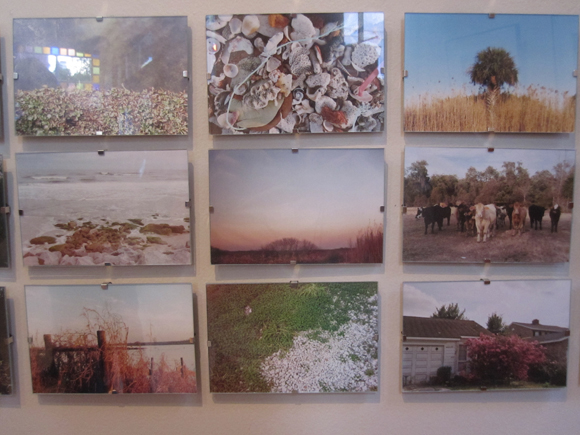
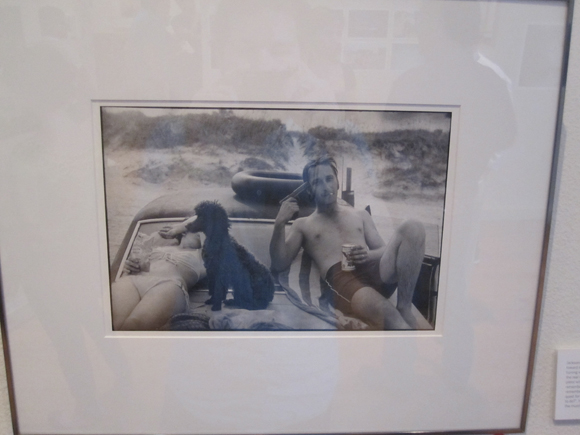
An excellent point the show made last night is that Florida (Central Florida in particular) has this cultural perception of being strictly a tourist destination, an entire section of the country existing as this homogenized and commodified culture made safe for mass consumption. Let’s not kid ourselves, that’s a big part of this state. But, like everything, this is just the veneer, and if you’re curious or adventurous enough, Florida will surprise you with its treasures.

IMG_5294

Treasures like the photography of Christopher Bolton. This one sold within minutes of the gallery opening. Not surprising in the least.

IMG_5295

Another big seller was our very own, Rose Wind Jerome.

IMG_5296

IMG_5297

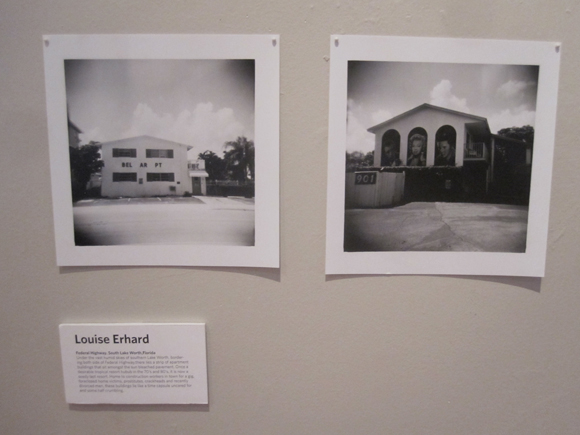
Louise Erhard’s photographs of a dilapidated, yet still operational, motel near West Palm Beach, another pocket of Florida that’s got more stories than anyone can handle.

IMG_5298

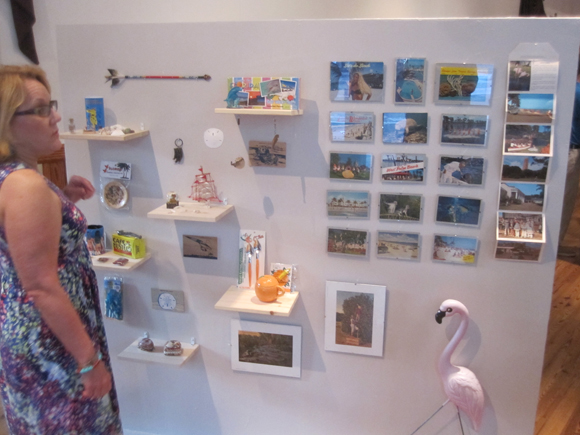
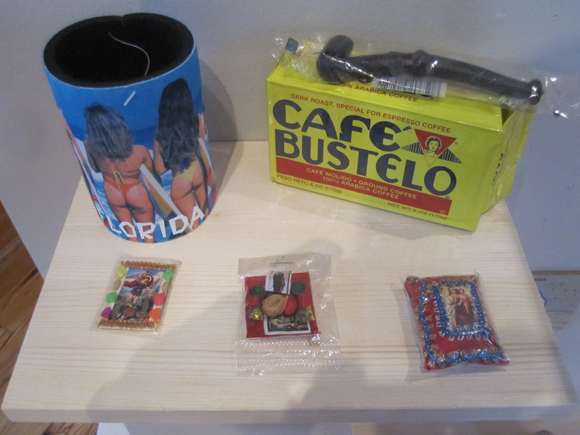
My mom and the kitsch wall.

IMG_5299

Kitsch has been a part of Florida long before the mouse invasion. That comes with being a sunny climate most of the calender year.

IMG_5300

You can either be annoyed by this crass expression of consumerism, or you can be charmed by the ideal and naive worldview that it represents. I think most Floridians look at it through both lenses from time to time.

IMG_5301

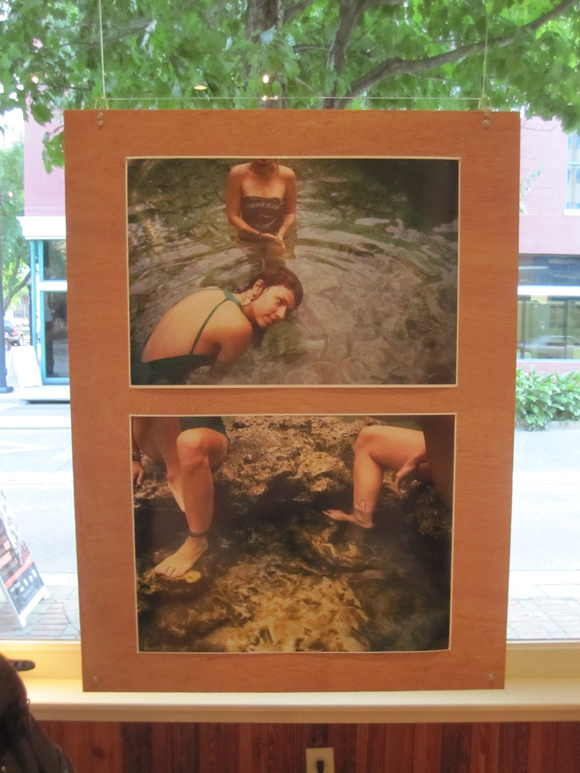
Here is a secret of Florida that outsiders don’t know. We have springs. They call to us. We go to them. They fill us with life.

IMG_5302

A new (to me) photographer who’s work I regrettably failed to capture last night was Ted Hollins who photographs the Zora! festival every year. The images on his website are hard to find but check out the photo grid in the lower left. Some amazing shots. More to come on Ted in the future.

IMG_5305

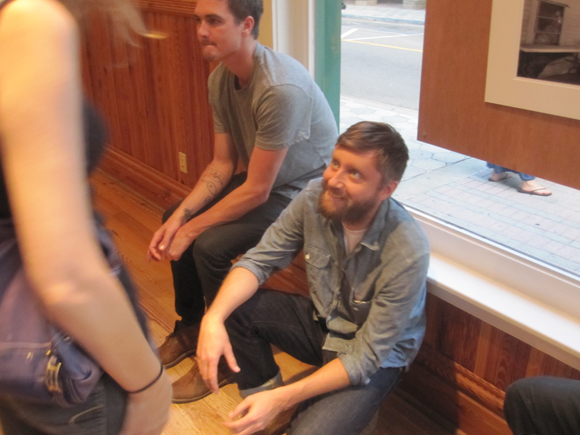
This man makes works crazy hard at making a good living doing something amazing in Florida.

IMG_5304

Congrats to Jen for not only curating an amazing show, but for helping shed light on the unseen pockets of beauty and horror that lay just beneath the saccharine manicured surface of Florida.

Thursday, May 20th

Hey Florida!: Photo Show Tonight.

Picture-13

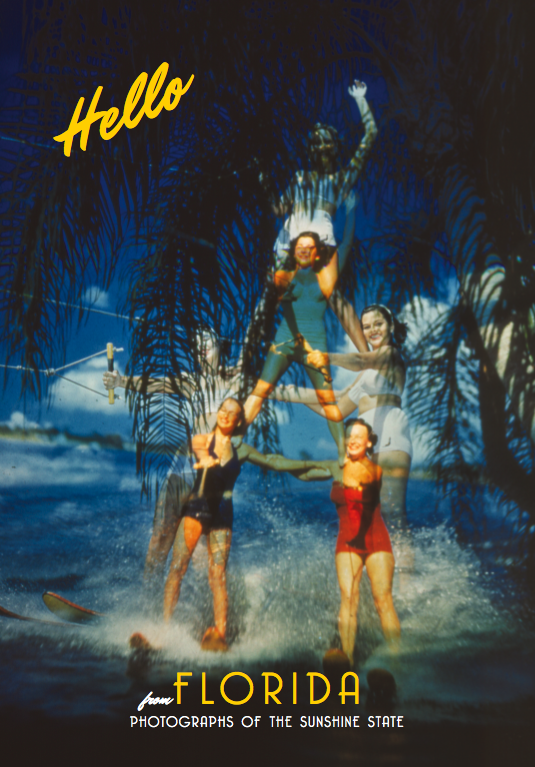
There is some cool shit happening tonight if you live in Orlando: Annalemma is sponsoring “Hello from Florida: Photographs of the Sunshine State” a photo show curated by none other than our own print designer, Jen O’Malley.

The show will feature all works by Floridian photographers including Annalemma contributors Rose Wind Jerome, Ryan Marshall, Kim Vang and Wheat Wurtzburger.

6-10pm at Gallery at Avalon Island (39 South Magnolia Ave. Orlando, FL 32801) as part of the Snap! Orlando Photography Festival. Come on out folks, it’s gonna be tighter than my hands around the throats of BP Oil executives, given the opportunity.

Thursday, May 20th

Hey Florida!: Burrow Press Call for Submissions.

Picture 1

Anyone ever having anything to do with Florida, take heed. Burrow Press wants your writing for an exciting new collection. From the press release:

ATTENTION ALL FLORIDA WRITERS

Burrow Press is collecting short story submissions now!

ORLANDO, Fla. (May 15, 2010) – If you live in, have lived in, or have any personal connection to the state of Florida, Burrow Press wants to publish your fiction in an upcoming collection of stories.

Burrow Press is an Orlando-based independent publishing company dedicated to discovering emerging talent in its home state.  Burrow Press will publish fiction and “other works that move and inspire us,” says founder and author, Jana Waring.  “The ultimate goal,” according to co-founder Ryan Rivas, “is to establish a more serious literary base on this peninsula better known for its stereotypical, Bermuda shorts realism.”

Burrow Press is differentiated by its year-round publishing schedule, commitment to advance publishing technology, and a collaborative approach: authors are offered hands-on involvement during the entire publishing process, from story to cover design to marketing.

This particular collection will feature ten to fifteen stories. Authors selected for publication will be rewarded, not necessarily handsomely, with American currency. The deadline for submissions is August 1, 2010. Please visit burrowpress.com for specific submission guidelines.

Tuesday, May 18th

120 in 2010: 48 Hour Magazine.

Preview

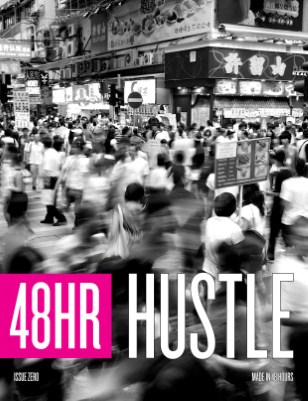
The idea behind 48 Hour Magazine is an interesting one: Using all the tools of media available today to create a magazine that’s cool, fast and cheap.

In the opening letter the editors state they’re trying to marry the immediacy of the web with the permanence and beauty of print. A few weeks ago they announced a call to submit, people gave them their email addresses and the editors of fired off the starter pistol in the form of announcing the theme. Then a 48 hour frenzy of writing, photographing, illustrating and designing an entire 59 page magazine. Using a print-on-demand service called Mag Cloud, they uploaded a PDF file, figured out how much to charge for the magazine (Mag Cloud charges 20 cents per page) then folks go online, order it and it gets printed and shipped to them in a couple of days. Take a moment to catch your breath.

The only thing I’m having a problem with is this “beauty of print” part of the equation. While the print design is clean and straightforward, the images colorful and immediate, the actual quality of the book itself is inscrutable from anything you’ll find on the newsstands. I guess when I think of the “beauty of print” I think of magazines like Cabinet or McSweeneys, publications that treat the magazine as an artifact, another arena and opportunity to make something beautiful, to make a statement, and hopefully differentiate itself as much as possible from anything you could ever find on the web. But maybe that’s just me holding unrealistic standards.

The content is fun and resonant, the charts and graphs are colorful and informative. But the words seem to only skim the surface, a roadblock they no doubt hit due to their time constraint. It’s hard to come up with in-depth writing in less than two days.

The most impressive and appealing thing about 48HR is the speed with which it was created, a speed that speaks to the youthful feel of the book. The energy and exceitment, even the theme of the issue (Hustle), radiate this kind of vibrancy and possibility that’s downright sexy.

Final verdict: awesome (revolutionary?) media experiment. Future of print? Debatable.