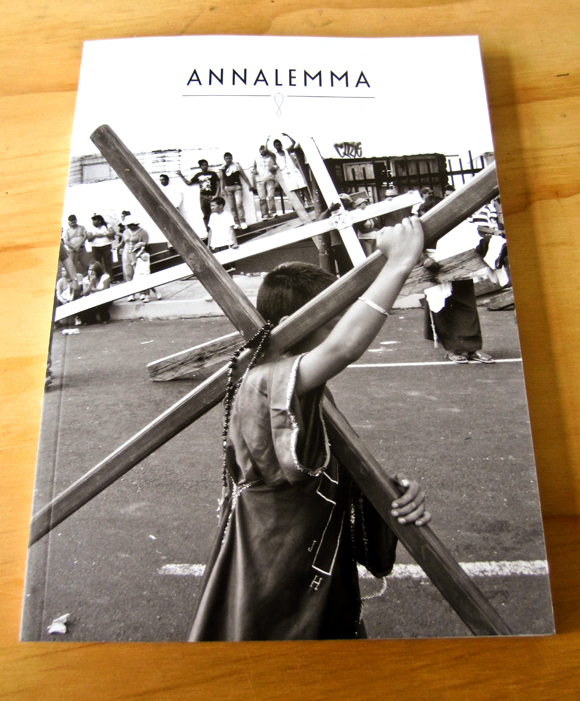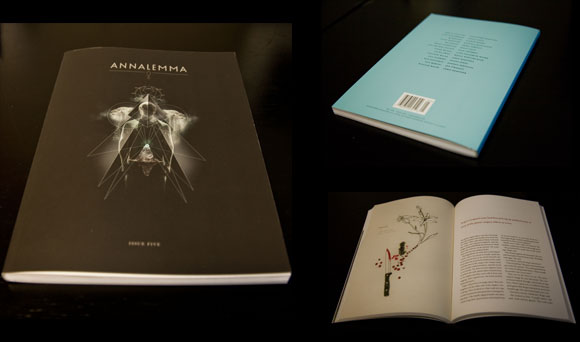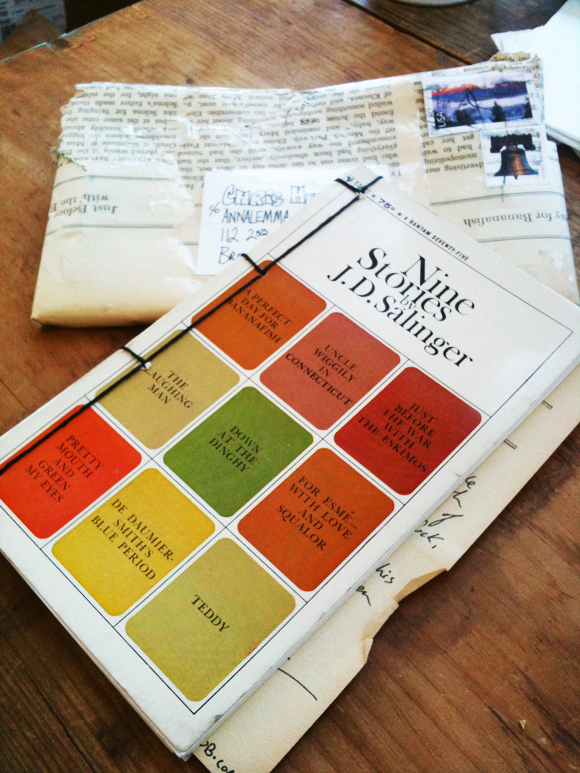
Chicago’s Gabriel Levinson (of Book Bike fame) is trying to earn his place in my books as raddest dude ever.
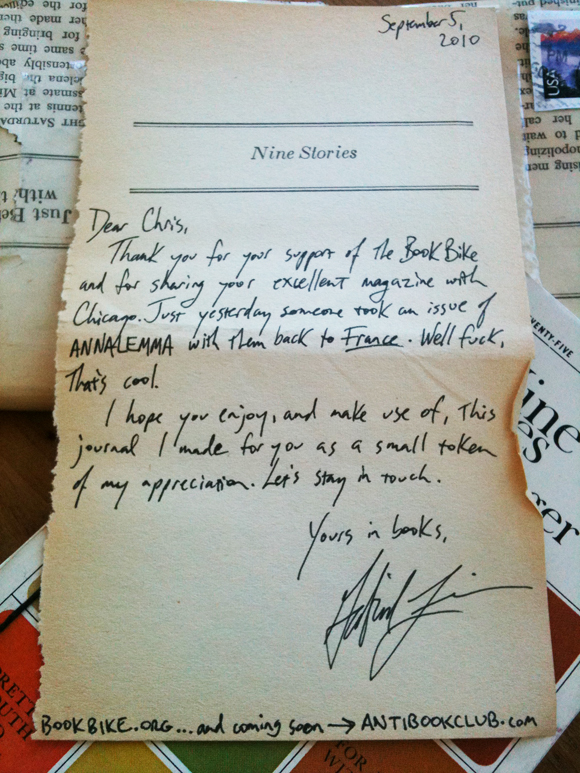
He’s coming pretty close to it too.
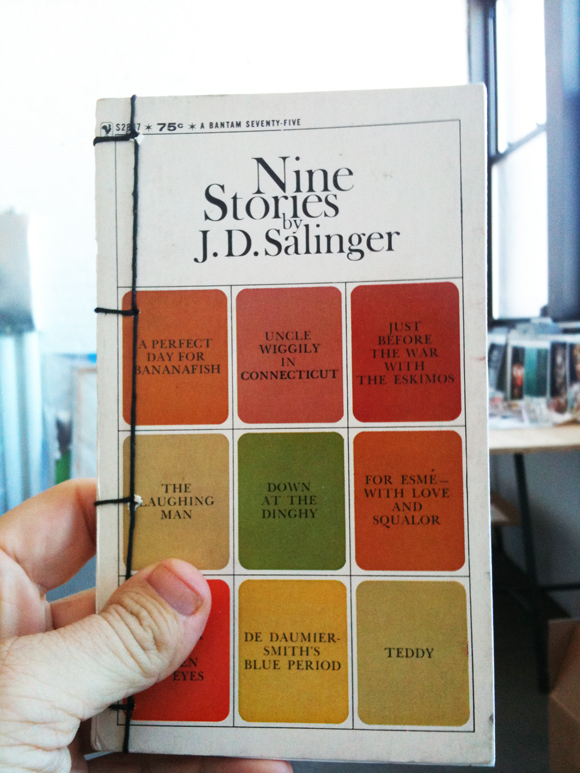
Thank you Gabe. You are a gem of a human.








with Christopher Heavener
Chicago’s Gabriel Levinson (of Book Bike fame) is trying to earn his place in my books as raddest dude ever.
He’s coming pretty close to it too.
Thank you Gabe. You are a gem of a human.

Anna is teaming up with La Petite Zine to throw a bitchin’ rager in Brooklyn next month celebrating the cool shit we’ve been up to over the last couple months. Won’t you come join us?

Walked down to the financial district on Saturday. People were protesting the building of a mosque at ground zero.
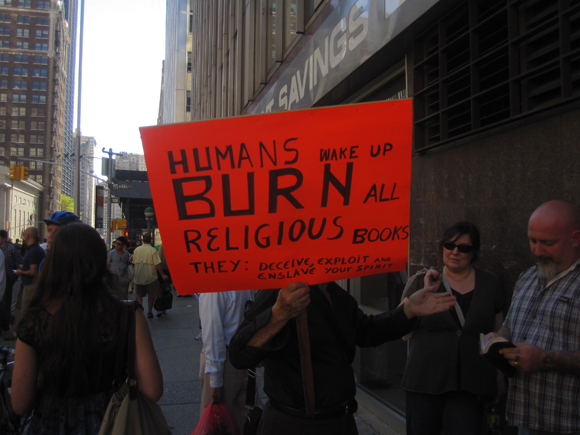
Others were protesting the protesters.
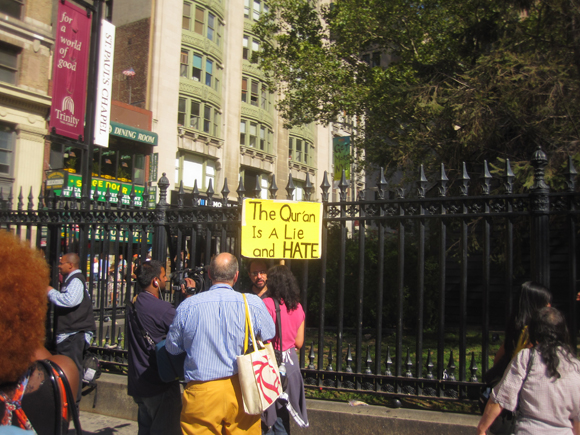
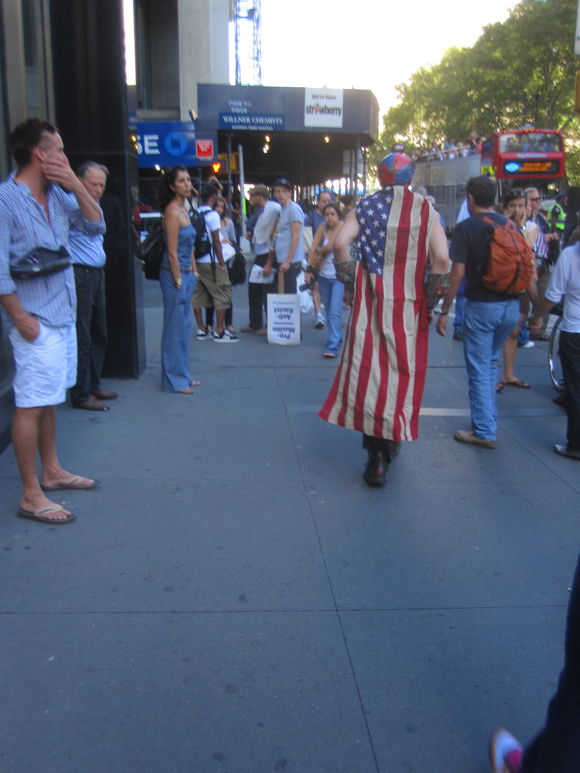
Captian America was on hand in case anything got out of control.

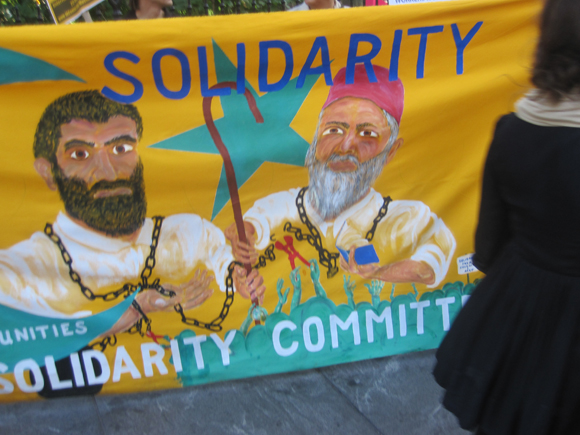
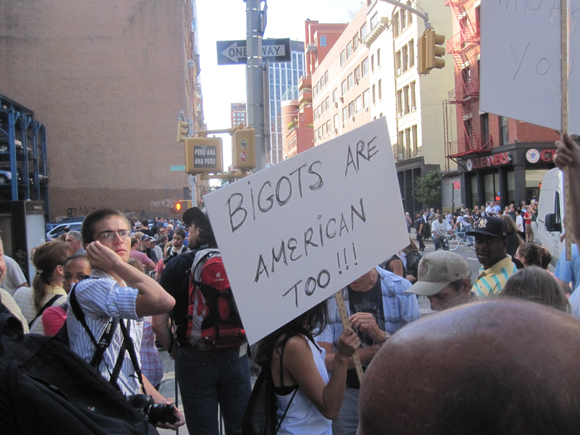
This was the unity contingent, protesting hate and bigotry. Much more attractive people in this crowd.

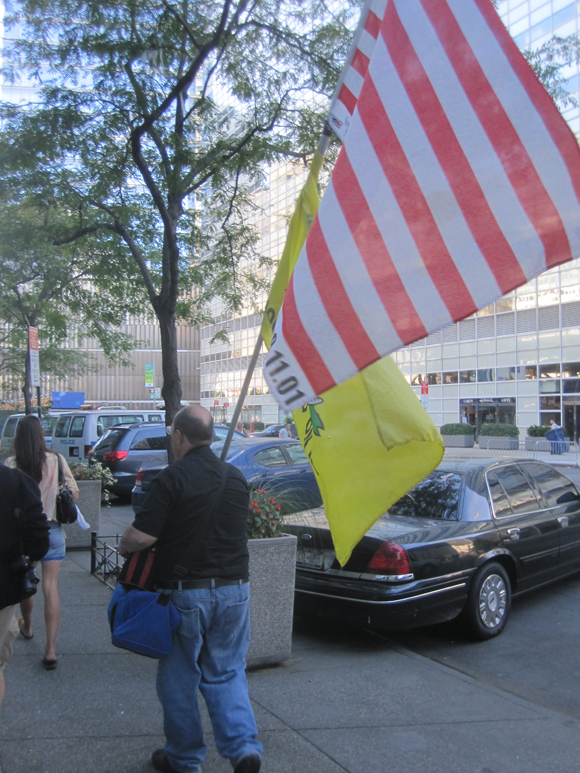
This guy had a bigger flag than anyone.

This is the proposed site of the Cordoba house, a Muslim community center which has plans to contain a mosque. It is located at 45 Park Place, two and a half blocks north of ground zero, 686 feet from an pre-existing mosque.

The street was blocked from entry at both sides of the block.

Enough heavy stuff. The Brooklyn Book Festival took place the next day and was totally rained out. Didn’t stop book folk from coming out in big numbers.

Didn’t stop store owners from selling babies for really darn cheap. Considering.
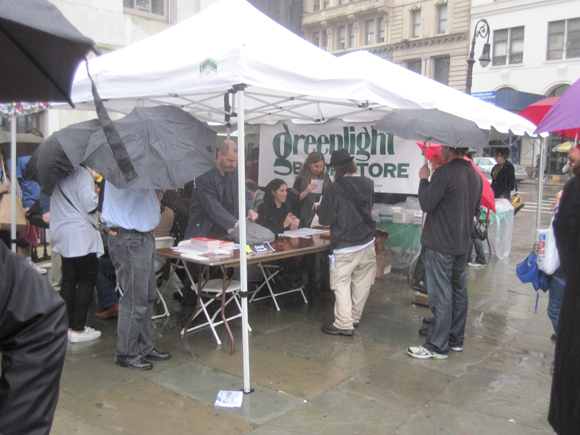
Didn’t stop me from taking a major stalker-y photo of Sarah Silverman and David Rakoff.
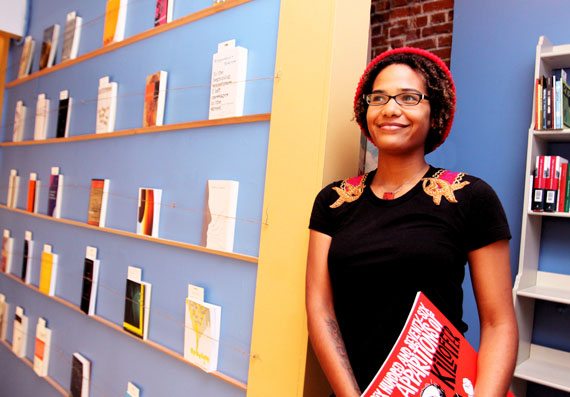
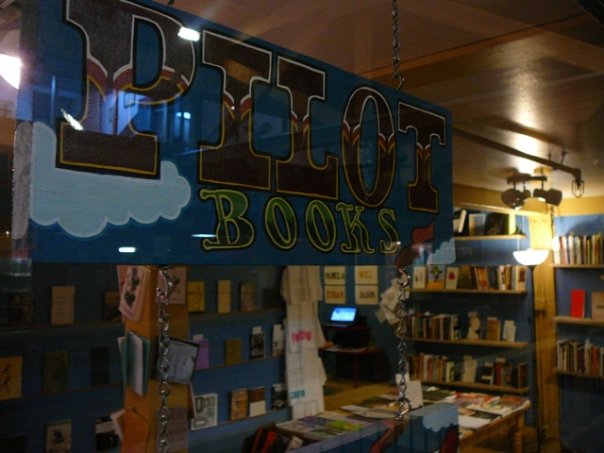
Very few book stores in the world are dedicated exclusively to independent presses. The number is something close to none. That’s what makes Seattle’s Pilot Books an amazing store. Co-creative director, Tom DeBeauchamp, took some time from helping proprietor Summer Robinson (pictured) to answer a few questions via email.
What’s Pilot’s origin story?
If you wanted indie-lit in Seattle two years ago you would have had to have driven to Portland. A few stores carried a few books, a few zines, but none in a really meaningful way. People in town asked themselves, “why don’t we have something like the Independent Book Room at Powell’s?” One of these people was Summer. She started Pilot as a few shelves in the window of the Anne Bonny (a sadly defunct oddity shop). When they moved into a smaller space, Pilot moved into a larger one. We’ve been open now for over a year.
What’s the curatorial process when choosing books to stock?
Out motto is 100% indie-lit, so everything we sell in the store and online is independently produced. We tend to stock new releases, typically produced by small houses in small runs, but that’s definitely not a rule. We love selling local work, but that’s not necessarily a rule either. We try to stock to our tastes, and, once upon a time, every book we sold had been read by one of us. Basically, we sell the most interesting fiction, poetry, and comics we can find in whatever language we find it in.
What’s the arts/literature scene in Seattle like and what role does Pilot play within it?
Hard to say what the arts/literature scene in Seattle is like: inter-flowing tribelets? The particles of one tribelet moving freely into the gases and matter of others? A lot of works are made in metal and fire. Readings happen often in many venues, a lot of them free. There’s a very strong book arts community, one of the largest Zine Archives in the world, and many active arts organizations and grant-granting organizations. There’s a feeling that we’re moving toward a more crystallized literary “scene”, but I’m not sure where we’re at in that transition, or if it’s over and we’re the cut gem we always hoped to grow up to be. Pilot, for our part, hosts about four readings a week, a writer’s group. In March, in honor of Small Press Month, we hosted a reading every single day. This summer we’ve hosted more than a dozen Micro-Residents. We will be publishing chapbooks for each of them this fall.
What helps a book sell? What’s been the most successful book at Pilot?
Readers with money and a sense of direction, and the willingness to use them. Having more than one of something in stock also seems to help. People don’t like to buy your last copy. I think saying, “Oh my god! You have to buy that book! It’s amazing” would help, but the data’s inconclusive.
How does a brick-and-mortar store not only survive, but maintain relevance in the age of Amazon?
By doing things differently, catering to a different kind of audience. The big companies do a good job of selling you exactly what you want, but I like to think Pilot provides an introduction and a context to something at least as meaningful and vibrant as Dan Brown’s fine novels. It’s hard to believe the death of Books, death of reading, death of bookstores Chicken-Littleing when you see the passionate work produced everyday. Selling those works, and championing them, helps us to stay relevant alongside Amazon. Really, you could probably start calling this the age of Pilot.
Please describe the cat that lives in your store. If you don’t have a bookstore cat, please explain why.
No cat, sadly. Pilot’s too small a space to keep a shop cat happy and healthy. Besides, kitty wouldn’t get a lick of toilet-time privacy.

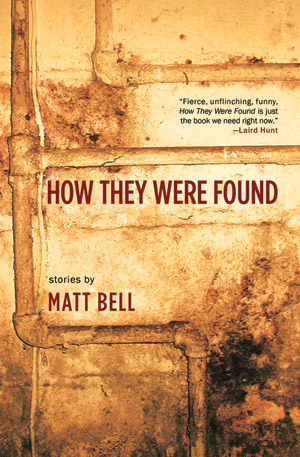
When reading a lot of small press authors you don’t always get the feeling that you’re reading something that will stand the test of time. You don’t get the feeling that what is happening on the page is something that could possibly measure up to the writers that you read when you were younger, the ones that made you fall in love with the form. Often times, books on small presses feel like writers are just spreading their wings, a first attempt after years of formative writing, the first step in a long journey of book publishing and storytelling. They’re still experimenting and mostly failing. That’s why it’s a jarring experience to pick up How They Were Found and find yourself in the hands of a storyteller as gifted and dedicated as Matt Bell.
The shorter pieces in Bell’s collection are are wildly imaginative, slightly dark, with a hint of humor to them, calling to mind the better films of John Carpenter and the twisted detective stories Brian Evenson. A cartographer charts the path of his wife’s disappearance, a group of soldiers isolated in an arctic outpost are slowly driven mad by memory loss, a young man preserves the dead body of a girl as he searches for her killer, a religious zealot beckons his community to build a massive engine to facilitate the second coming. The longer stories are where Bell spreads his ambition. Wolf Parts is the Little Red Riding Hood tale thrown in a blender and show through a gory lense reminiscent of Todd McFarlane. The Collectors, probably the most stunning achievement in the book, shows the demise of two hoarders populating their estate house with possessions until it buries them alive in a dark green decay akin to David Fincher. The names of graphic artists and film directors immediately come to mind when drawing comparisons to Bell’s writing, simply because of his dedication to evoking visceral imagery.
Bell attempts and succeeds at a crucial, yet risky, concept that’s essential to great writing: the concept of fusion and hybrid. First and foremost is the magical formula that most young writers have a hard time grasping, the fusion of style and substance. The style in this case being the fantastical elements of each story and the substance being the human connections and emotions that Bell endows his characters with. While most all of the stories in HTWF could easily be filed under the fantasy section, don’t let the nerdish connotation of the genre fool you. Bell’s characters are undoubtedly human, dealing with everyday feelings of loss, change, heartbreak, hope, ambition and discovery.
How They Were Found is a triumph of a debut collection. Bell has a command over story far surpassing anyone else in his league. Don’t miss this book.
Pre-order here from Keyhole Press.

Say friend, do you like things? Were you aware that people still do things these days? It’s true. Here are some things that have happened (are happening):
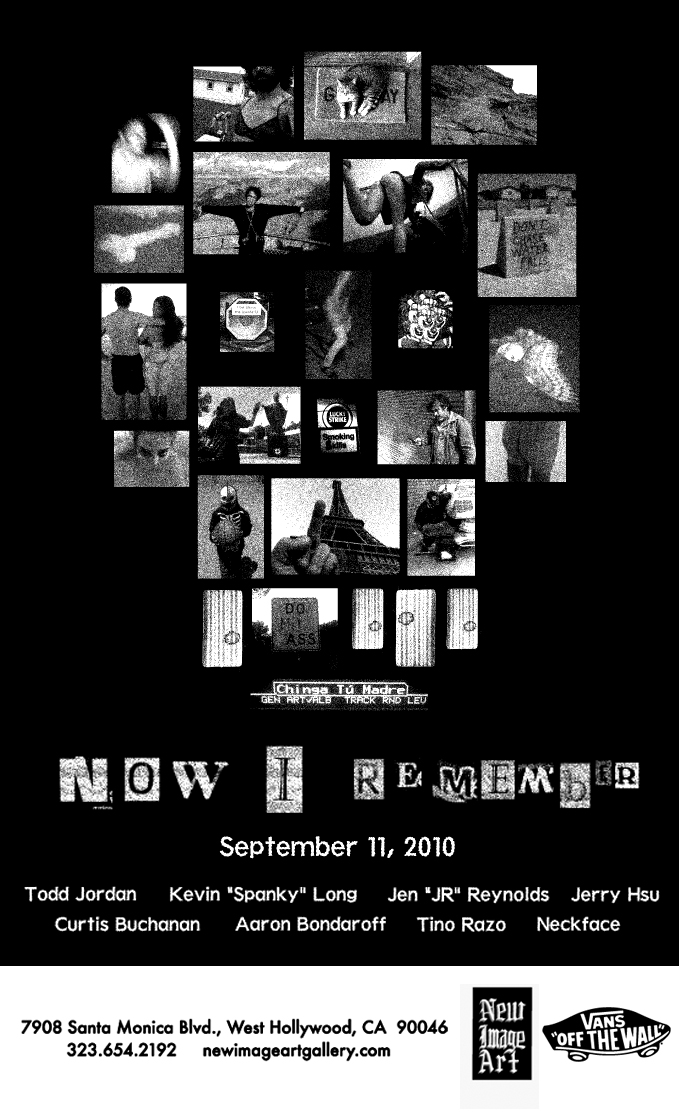
Issue #4 and Issue Six: Sacrifice contributor Todd Jordan‘s Now I Remember collective is showing the world through their cell phones at New Image Gallery (best click through image) in LA this weekend. I know you live there, I have Google Analytics. Go to this show.
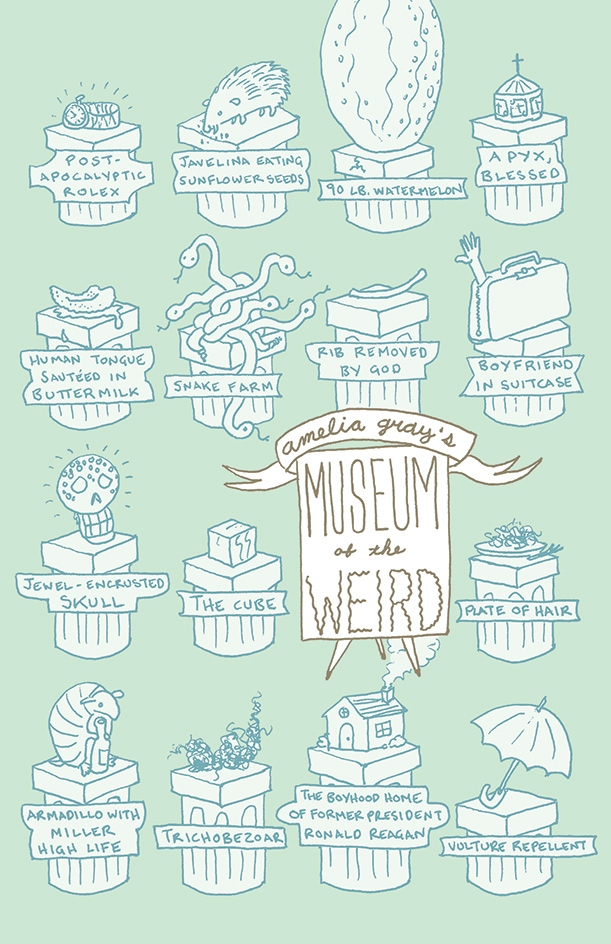
Issue Five contributor Amelia Gray released her second collection of fiction, Museum of the Weird on FC2 yesterday. Amelia is a writer in a class of her own that never disappoints. Buy this book.
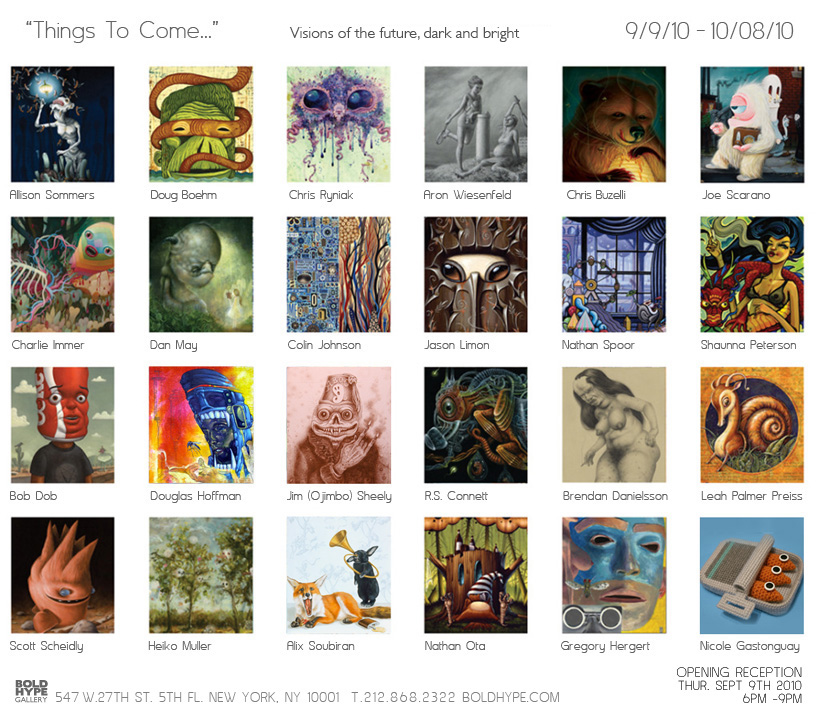
Dear friend, Alix Soubiran, is showing her lovely animals at Bold Hype‘s new gallery in New York this weekend. Go see them. You will fall in love with them and her.
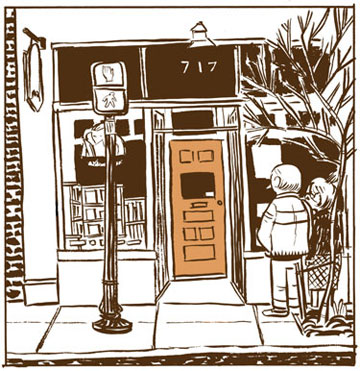
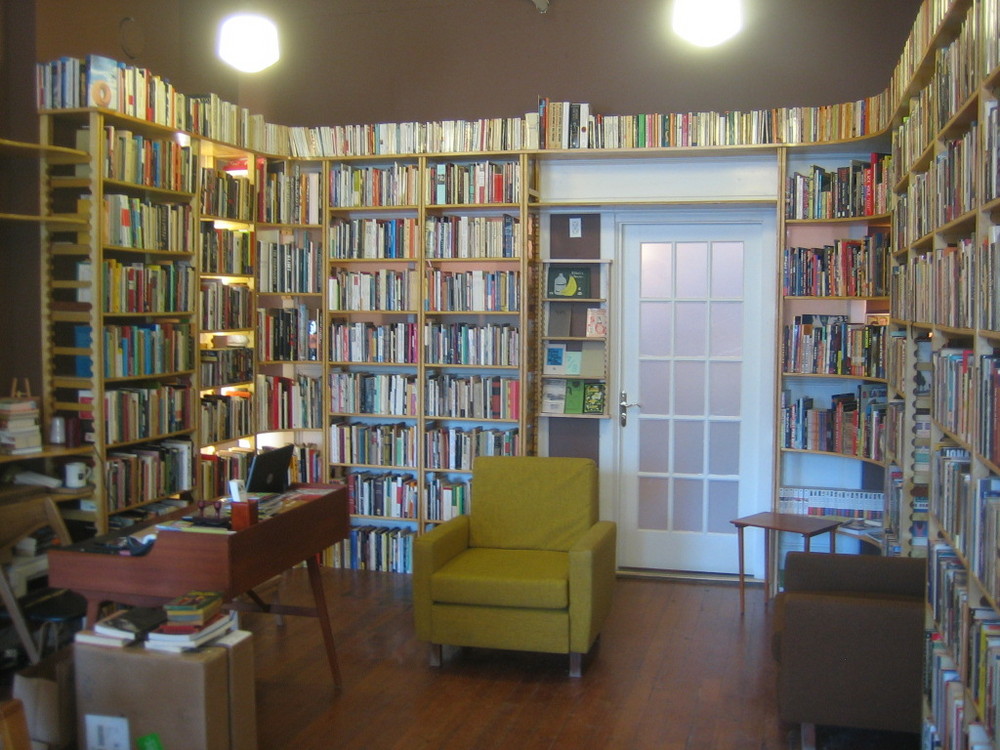
As if Rhode Island couldn’t get any more radder, it’s home to one of the best indie bookstores in the country, Ada Books. Humble owner and proprietor, Brent Legault, was kind enough to answer some questions over electronic mail.
What’s Ada’s origin story?
It started with the publication of Ada or Ardor: A Family Chronicle in 1969 (which is, coincidentally, the year I was born). The book was not a hit with critics but it hit home with me after I first read it twenty-five or so years later. If I were the type to maintain a mountain of my favorite novels (I am not), Ada would likely sit at its summit. It seemed logical and fair-minded then to name the shop after it. Originally, I planned on calling it Ada or Ardor: A Family Bookshop but my wife wisely put a stop to that. (We’ve saved a bundle on signage.)
What’s the curatorial process when choosing books to stock?
The process, if you can whatever it is I do a process, is simple: I choose the books and magazines that I like or think I’ll like and hope that others agree with me. They don’t, usually, in spite of my excellent taste.
What’s the arts/literature scene in Rhode Island like and what role does Ada play within it?
The scene here is mostly serious, or artists taking themselves seriously. Humor comes in smirks rather than guffaws. My role in it is a minor one. I host a reading series, which is run by Kate Schapira (an excellent poet), where I often drink a little too much beer. I also eat more than my share of cashews or almonds and clap, politely but genuinely, when others clap.
What helps a book sell? What’s been the most successful book at Ada?
Though I’ve been selling books for more years than Justin Bieber has been alive, I still have no idea how to make a sale. I know that “weird” works, as does “obscure.” But those things sell themselves. I’m no salesman. I never “upsell” anything. I just put it on a shelf or a table and see what happens. (I will give out opinions when prompted.) The most successful book at Ada has been. . . oh, I don’t know. I don’t keep track. But I’ve probably sold more copies of Mat Brinkman’s Teratoid Heights than anything else. These days, it is shamefully out of print.
How does a brick-and-mortar store not only survive, but maintain relevance in the age of Amazon?
I don’t think my brick-and-mortar(and-paint-and-plaster) store is at all relevant “in the age of Amazon” except perhaps in a negative way. That is, I think that my customers reject or at least look down upon the Kindles and the iPads and ordering books online in general. Or perhaps they do those things but also feel a kinship with books and booksellers and want them to stick around for a little while longer.
Please describe the cat that lives in your store. If you don’t have a bookstore cat, please explain why.
My shop cat is a pure white American short hair with a pink nose and mismatched eyes. Her name is Paper and she is imaginary. I’m only at the shop 7 or 8 hours a day and I feel it would be neglectful to leave her alone for so long. Therefore, Ada Books is catless, although my wife and I have three cats at home named Ratsy, BeeBong and Pancake. They are adorable.
{image via}
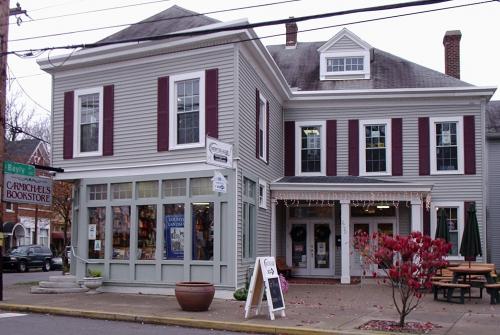
If you find yourself in Louisville, Kentucky any time soon be sure to stop by the best bookseller in town, Carmichael’s Bookstore. This interview was conducted with owner Michael Boggs via email.
What’s Carmichael’s origin story?
My wife, Carol Besse, and I started Carmichael’s in 1978 in Louisville with a little capital from a Small Business Administration loan and a hefty amount of bookstore experience. We had worked for 5 years for Barbara’s Bookstores in Chicago and learned most of the mechanics of the bookselling business there. We both had Kentucky ties and at that time Louisville had no urban bookstores.
What’s the curatorial process when choosing books to stock?
I wouldn’t call the process “curatorial” since bookselling is an exercise in commerce, and we have to be mindful of stocking books that will appeal to our customers. That said, the stock in our stores is comprised of about 70 % “backlist”, which are the titles that sell over and over, year in and year out, and 30 % “frontlist”, the titles that are newly published each year. Backlist titles change slowly as authors fall in and out of favor, and as interests change over the years. Because our stores are small, I have to select stock carefully and each publishing season I buy only a fraction of the thousands and thousands of new titles presented to me by publisher’s sales reps. The process is more art than science, with hundreds of factors going into each decision: Does the book fit with our customer’s taste? What is the quality of the publisher? Does the author have a track record? Is the subject of the book original? Does the sales rep have any helpful information? What does the cover look like? And on and on.
What’s the arts/literature scene like in Louisville? What’s Carmichael’s role in the lit/arts community?
From the beginning Carol and I conceived of Carmichael’s as a so-called “third place” — a locale ingrained in the community that isn’t home or work. We have anywhere from 75 to 100 author events a year, many with local poets and beginning writers. We have wonderful independent publisher in Louisville called Sarabande Books that has a first-rate list of poetry and fiction. And, in the region, we have number of nationally recognized authors with ties to our area: Wendell Berry, Bobbie Ann Mason, Barbara Kingsolver, Silas House, Sena Naslund and many others.

What helps books sell? What are the more successful books at Carmichael’s?
Word of mouth is the best seller for books–one reader recommends titles he loves, that person tells 3 people, and suddenly you have an exponential groundswell for a book. As for national media, NPR programs provide the publicity and interviews that our customers respond to best. Other venues that are good for us are The New Yorker, especially exerpts of Non Fiction, The New York Times, The New Yorker Review of Books, with most other magazines trailing behind. We get little play from blogs or internet sources.
How does a brick-and-mortar store not only survive, but maintain relevance in the age of Amazon?
When it comes to relevance and Amazon, that’s kind of a no brainer. In the world of books, Amazon is a place of commerce and little more. Books were simply an easy entre into creating a mail-order of WalMart. They don’t care much about books because so few people actually buy them–they really want to sell all the other stuff that large parts of the population desire and that have higher profit percentages. And that’s not books. And the Kindle is a toy that is unlikely to have more longevity than cassette tapes. Whatever the paradigm that lasts for 20 or 30 years, it defninitely isn’t Amazon or the Kindle.
Please describe the bookstore mascot.
We’ve had cats in the store over the years, but are currently without any mascot. Maybe the closest we have to a mascot is local legend Hunter S. Thompson.

{image via}
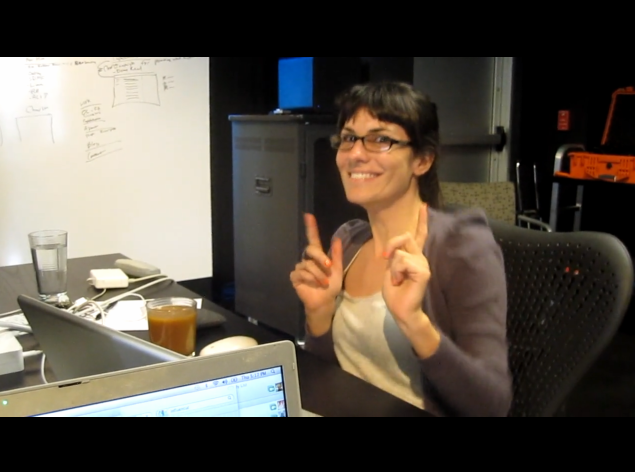
We’re hard at work laying out Annalemma Issue Seven: Endurance. To break up the monotony, print designer Jen O’Malley takes an opportunity to lay some tasty shapes on some phat beatz.
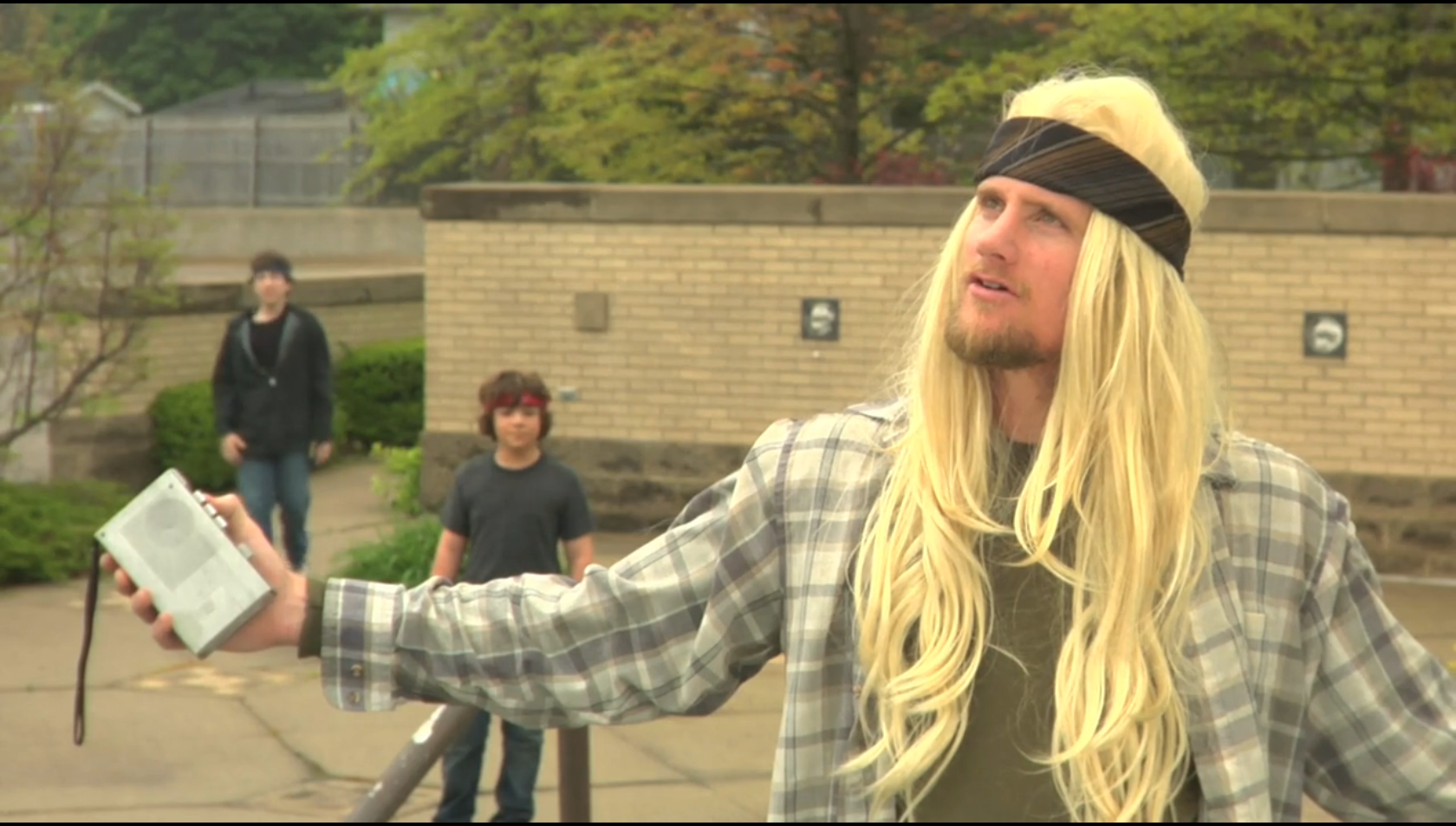
A crew of dear old friends put together a pilot for Dragons, an original comedy series about two skate buddies transcending their human forms and attaining enlightenment, starring skate legend Mike Vallely. Treat yourself to a half hour of good vibes.
If you are an American, you must allow all ideas to circulate freely in your community, not merely your …
“What if you are part of the problem? What do you do when you realize that your history is …
Rumpus: Is this interview being monitored right now? Potter: Maybe. The more important question: Is that going to stop …
“(C)ourage is vital piece of any well-lived life.” – Sugar on body image at The Rumpus.…


Copyright Annalemma 2009